Practical comparison
Finding an audio to text alternative reddit users can evaluate
Looking for an audio to text alternative reddit discussions can actually help you evaluate? Compare the choice by recording type, review effort, privacy expectations, and how cleanly the result fits your next step.
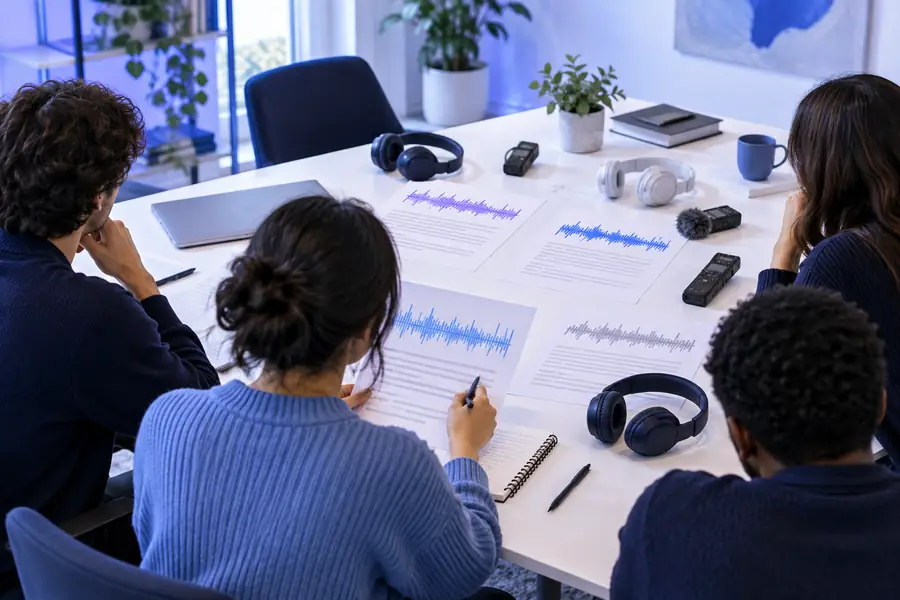
Related ways to compare
Three Reddit scenarios, three practical picks
Reddit recommendations are most useful when the situation is specific. Start with the recording, the review burden, and the kind of output you need rather than with a brand name.
-
1
A short voice note
Pick a simple audio-to-text workflow when the recording is clear, one speaker is talking, and you mainly need searchable wording. The best choice is the one that gets you to a usable draft without adding unnecessary setup.
-
2
A long meeting or interview
Choose a workflow that lets you inspect the transcript and correct names, turns, and unclear phrases. Reddit comments often praise speed, but review controls matter more when the recording will become a document or decision record.
-
3
A sensitive recording
Prioritize a clear understanding of where the audio goes, what you are allowed to upload, and who will read the result. If the content is confidential, use a low-risk sample first and confirm the service fits your policy.
Shared pitfalls to check before switching
Most disappointing recommendations are not completely wrong; they are missing context. These are the failure points worth checking before you move a real recording into a new workflow.
-
A clean demo can hide difficult audio
A short clip with one clear speaker is easier than a call with overlap, room echo, music, or specialist vocabulary.
WorkaroundTest a representative section that includes the hardest audio before committing to a full workflow.
-
A transcript is not automatically publication-ready
Even a strong draft may miss names, punctuation, speaker changes, or the intended meaning of a quiet passage.
WorkaroundKeep a human review step for anything customer-facing, legal, academic, or operationally important.
-
Reddit advice can age quickly
Comments may describe an older interface, an earlier model, or a personal use case that does not match your files.
WorkaroundTreat comments as hypotheses, then verify the current workflow with your own short sample.
-
Privacy expectations are easy to assume
A tool may be convenient without being appropriate for confidential interviews, internal meetings, or personal records.
WorkaroundRead the current handling terms and remove sensitive material from your test file when possible.
Capability matrix
The right alternative depends on whether you value a quick draft, control during review, or a more deliberate path for sensitive material. This matrix keeps the tradeoff visible.
A lightweight online workflow
A careful review-first workflow
Best starting point
A lightweight online workflow
Clear voice notes, short interviews, and everyday recordings
A careful review-first workflow
Long meetings, research interviews, and material that needs checking
Setup effort
A lightweight online workflow
Low; begin with an audio file and a defined purpose
A careful review-first workflow
Higher; plan file handling, review, and naming conventions
First-pass speed
A lightweight online workflow
Usually the main advantage when you need a readable draft quickly
A careful review-first workflow
Speed is balanced against inspection and correction
Speaker changes
A lightweight online workflow
May need manual cleanup when people interrupt or overlap
A careful review-first workflow
A better fit when separating speakers is central to the final document
Specialist terms
A lightweight online workflow
Results depend heavily on recording clarity and vocabulary
A careful review-first workflow
Review time can be planned around names, jargon, and uncertain phrases
Privacy decision
A lightweight online workflow
Confirm upload and retention expectations before using real material
A careful review-first workflow
Starts with a stricter handling plan and a smaller test sample
Final quality
A lightweight online workflow
Useful as a draft, search aid, or starting point
A careful review-first workflow
Better suited to a transcript that will be edited and relied upon
Our tradeoff in the output
The difference is easiest to judge with the same recording. A quick route gives you text to work from; a review-first route makes the remaining uncertainty easier to see and resolve.
- Raw first pass
- Reviewed working draft
The best pick is the one whose remaining cleanup you can realistically handle.
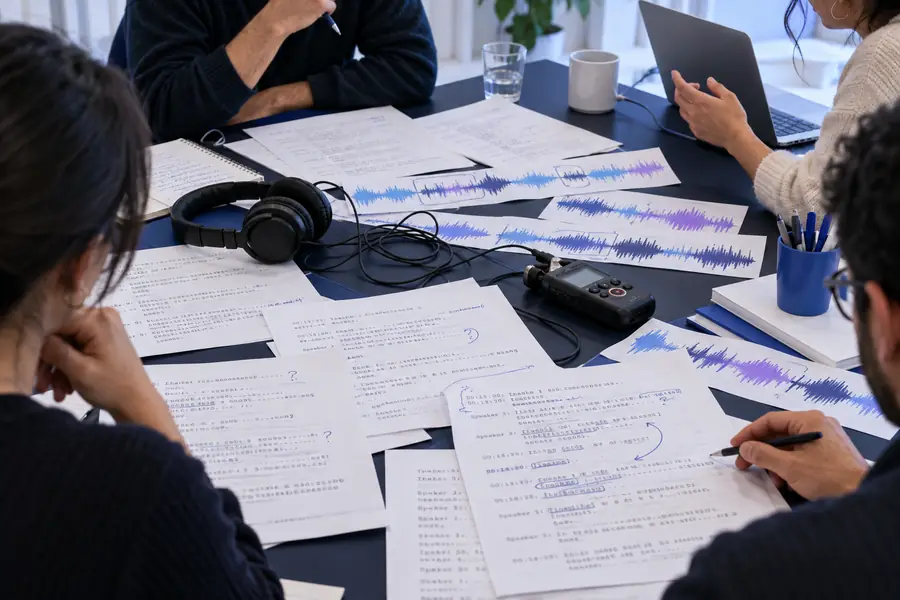
Choose by the work after transcription
If you only need to find a phrase or turn a voice note into rough text, keep the workflow simple and test a short representative clip. If the result will guide a decision, support research, or be shared with other people, allow time for names, speaker changes, punctuation, and ambiguous passages. Audio To Text is most useful when you judge it as part of that full workflow, not as a magic replacement for review.
Test your recording- Start with a representative sample
- Check the result against the audio
- Keep sensitive material out of unverified workflows
Comparison FAQ
These questions address the practical intent behind people searching Reddit for an alternative, without treating a single comment as universal evidence.
Look for comments that describe the recording type, speaker count, audio quality, and how much editing was needed afterward. A recommendation is more useful when the original use case resembles yours, rather than when it only names a tool.
No. Reddit can surface useful experiences and failure cases, but interfaces, policies, and underlying systems can change. Use the discussion to create a shortlist, then test a representative clip and verify current handling terms.
Use the same short recording for each option and judge more than the first-pass speed. Check names, speaker changes, punctuation, unclear sections, export fit, review effort, and whether the workflow is appropriate for the material.
Choose according to what happens after the transcript is produced. A fast draft may be enough for private notes, while a document that others will rely on may justify a workflow that makes checking and correction easier.